Old or Faulty Wiring in Your Springfield, PA Home? We Tell You What You’ve Actually Got, and Fix Only What’s Dangerous
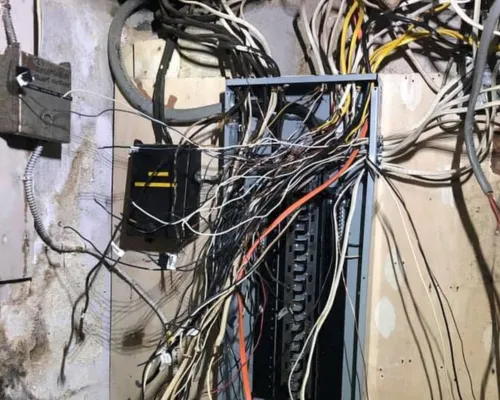
If your Springfield home still has knob-and-tube, aluminum, cloth, or ungrounded wiring, you can’t see it — so you can’t tell whether it’s a real fire risk or fine for now. You’ll get a straight answer first: exactly what’s in your walls, what has to go, and what can safely stay — across Springfield and Delaware County, with a written price you approve before we start.
Three Reasons People Call Us About Old Wiring — Which One’s Yours?
I found knob-and-tube or cloth wiring
Fabric-wrapped wires in the basement, little white ceramic knobs in the attic, or “knob-and-tube” written on your inspection report — and now you want to know if it’s actually dangerous.
My insurer or inspector flagged my wiring
Your insurance company gave you a deadline to upgrade or threatened non-renewal, or a home inspection turned up aluminum or knob-and-tube right in the middle of your sale.
I’m seeing warning signs
A burning smell you can’t place, an outlet that’s warm or scorched, buzzing inside the walls, or a spark when you plug something in — and you’re not sure how worried to be.
Knob-and-Tube, Aluminum, Cloth, or Two-Prong? Here’s What’s Actually in Your Walls — and Which Ones Are Dangerous
Knob-and-Tube (pre-1950s homes)
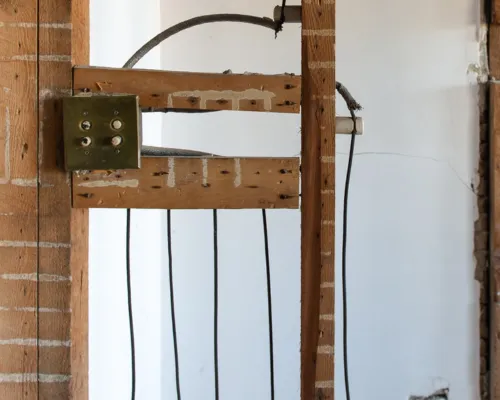
How to spot it: single black wires running through little white ceramic knobs and tubes in the attic or basement — and no third grounding wire anywhere.
The insulation dries out and cracks with age, there’s no ground, and it overheats badly when it’s buried under attic insulation or in walls. It’s one of the two types insurers refuse most.
We handle this: trace what’s still live and replace the runs that are — not automatically your whole house.Aluminum Branch Wiring (1965–1975)
How to spot it: “AL” or “ALUMINUM” stamped on the cable jacket and dull silver-colored wire — common in homes built in the late ’60s and early ’70s.
Aluminum expands, loosens, and corrodes where it connects at outlets and switches. Industry testing (CPSC) found those connections roughly 55× more likely to reach fire-hazard temperatures than copper.
We handle this: remediate the connections (AlumiConn / COPALUM-style pigtailing) or replace — you choose with the facts.Cloth- & Rubber-Insulated Wiring
How to spot it: wires wrapped in cloth or rubber instead of modern plastic — often brittle, flaking, or crumbling when you touch it.
As that old insulation dries and cracks, it leaves live copper exposed inside your walls and boxes — which is how a hidden short or arc starts a fire you’d never see coming.
We handle this: replace the deteriorated runs and re-make the brittle connections to current code.Two-Slot / Ungrounded Wiring
How to spot it: outlets with only two slots and no third round hole — a sign your home was wired before grounding was standard.
On its own this is more a tell of age than an emergency, and some outlets can be made safe without a full rewire. But paired with the types above, it points to wiring worth a proper look.
We handle this: that specific fix is our grounding & bonding work — routed there, not oversold here.Not sure which you’ve got? You don’t have to be — that’s the whole point of the free wiring check. You’ll find out exactly what’s in your walls, what’s a real fire risk, and what’s fine to leave for now. Get your free wiring check →
Insurer Threatening to Drop You, or Old Wiring Holding Up Your Sale? We Work to Your Deadline
More and more insurers simply won’t write or renew a policy on a home with knob-and-tube or aluminum wiring — or they’ll insure it, then give you about 30 days after closing to upgrade. And a home inspection that flags old wiring in the middle of a sale can stall your closing while everyone waits to see who pays to fix it.
You get a fast assessment of exactly what was flagged, the work scheduled to your insurer’s clause or your closing date, and written documentation of what was remediated — the proof your insurer or your buyer actually wants to see.
And yes — in Pennsylvania you generally have to disclose known knob-and-tube or aluminum wiring when you sell, so quietly hiding it isn’t a plan. Getting it handled and documented is. More on disclosure in the FAQ ↓
What you get when the clock’s ticking
- ✓A same-week assessment of exactly what your insurer or inspector flagged.
- ✓Work scheduled to your deadline — your insurer’s upgrade clause or your closing date.
- ✓Remediation to NEC & PA code — done the way insurers and inspectors want to see it.
- ✓Written documentation of what was fixed, to hand your insurer or your buyer.
- ✓An honest read on whether a partial fix satisfies them — or a full rewire is genuinely required.
You Might Not Need a Whole-House Rewire — and We’ll Tell You If You Don’t
The honest version takes a little longer than “rip it all out.” Some old wiring is genuinely dangerous and has to go. Some is fine to leave. And a lot sits in between — where replacing the bad runs and remediating the connections makes your home safe without gutting your plaster.
So you get an assessment first. You find out which of your wiring is a real hazard, which is fine, and the smallest honest fix that makes your home safe — itemized, in writing, for you to approve before any work starts.
And if a full rewire genuinely is the right call — widespread live knob-and-tube, crumbling cloth wiring throughout — we’ll tell you that straight. A full home rewiring is its own honest conversation, and we’ll walk you through exactly why before you commit to it.
The fix is often smaller than a full rewire
- 1Replace only the dangerous runs — the deteriorated cloth or live knob-and-tube, not every wire in your house.
- 2Remediate aluminum at the connections (AlumiConn / pigtailing) where a full tear-out isn’t needed.
- 3Make ungrounded outlets safe where code allows — handled as grounding & bonding.
- 4Repair the failing junctions and over-spliced boxes that actually run hot.
- 5Only if you truly need it: a full rewire — and only after we’ve shown you exactly why. See home rewiring →
Burning Smell, a Warm Outlet, or Crumbling Cloth Wires? Here’s What Your Old Wiring Is Telling You
A burning or fishy smell you can’t place
That smell is insulation or a connection overheating behind the wall — and with old wiring, it’s often the brittle insulation itself breaking down. You won’t always find the source, which is exactly why it needs checking.
Warm, hot, or scorched outlets and switch plates
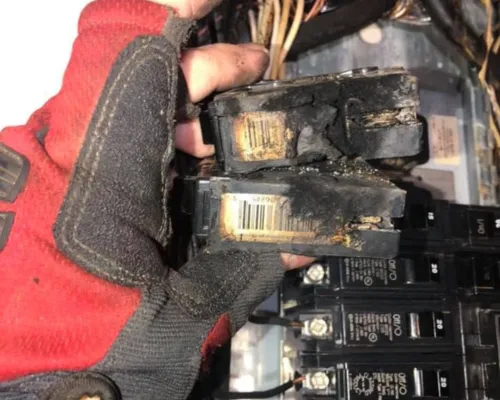
An outlet or cover plate that’s warm to the touch means a connection is running hot — common where aluminum loosens or old wire frays. Brown discoloration means it’s already been overheating. Unplug and get it looked at.
Buzzing, sizzling, or sparks when you plug in
A buzz or sizzle from an outlet — or a spark when you plug something in — is arcing at a loose or degraded connection. Old, brittle wiring arcs where the copper’s exposed, and arcing is how fires start inside a wall.
One dead outlet, or a breaker that trips at random, is usually a single fault to diagnose & repair. When these signs come with old knob-and-tube, aluminum, or cloth wiring, the wiring itself is the story — and that’s what this page is for.
What Happens When You Call: We Look First, Then Quote — Never the Other Way Around
Free On-Site Wiring Check
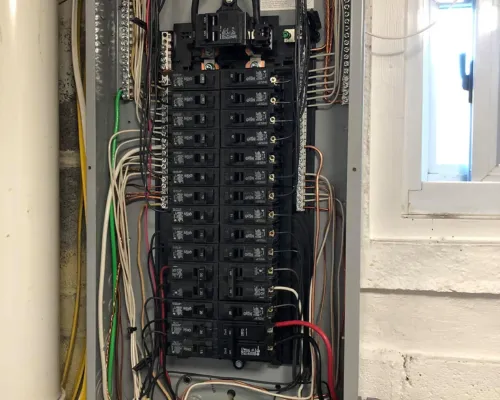
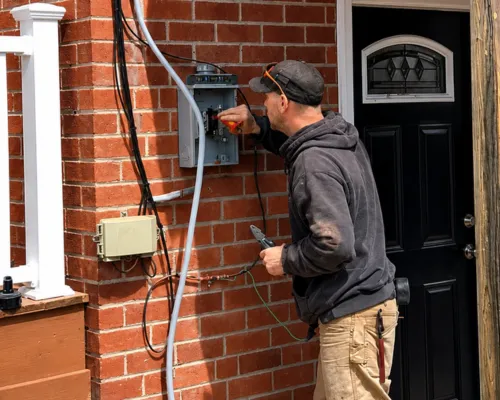
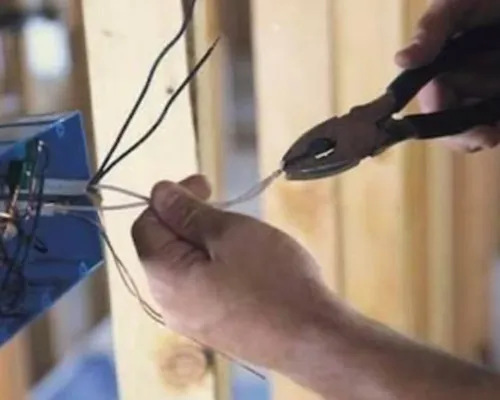
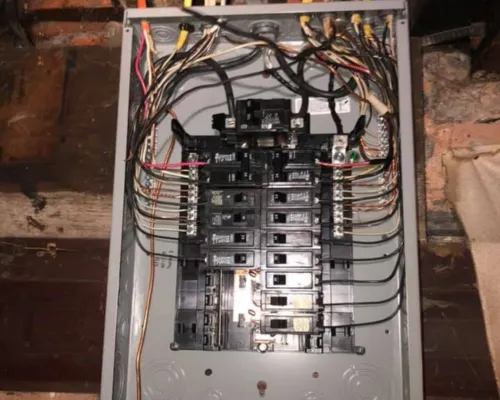
Mikey traces what’s actually in your walls — type, age, and condition — at the panel, the outlets, the attic and the basement. No guessing.
A Straight Answer First
You find out what’s a genuine fire risk, what’s fine for now, and whether a partial fix or a full rewire is the honest call — before anyone says a word about price.
A Written Price You Approve
You get an itemized price for the smallest fix that makes your home safe. You approve it before any work starts — no surprise invoice, no rewire you didn’t need.
Fixed to Code, Documented
Your work is done to NEC and PA code and tested — with written documentation for your insurer or your buyer if a deadline brought you here.
One Licensed Master Electrician Who’ll Make Your Old House Safe — Without Selling You a Job You Don’t Need
Old wiring is the easiest thing in the world to oversell — the word “knob-and-tube” alone makes most people reach for their wallet. The honest version takes a little more time: actually look at what you’ve got, sort the dangerous from the fine, and fix that. With MC Electrical you get Mikey Christy — the owner and a licensed master electrician — doing exactly that.
- 🔎
We assess before we quote
Your fix is based on what’s actually in your walls, traced on site — not a number picked to land the biggest rewire on the truck.
- 🚫
We’d rather fix the dangerous runs than gut your house
If remediating the connections and replacing the bad cable makes you safe, that’s what you’ll be quoted. We’ll tell you when a full rewire is genuinely worth it — and when it isn’t.
- 🏚️
We know older Delco homes
Knob-and-tube in Springfield twins, 1970s aluminum in Drexel Hill and Havertown splits — and how to fish new wire through old plaster without tearing your house apart.
- 🙋
One accountable owner, since 2012
You hire Mikey, Mikey shows up — the same licensed master electrician from the first wiring check to the final test. No rotating crew, no subbed-out work.
“Old wiring isn’t an automatic ‘rip it all out.’ My job is to find what’s actually dangerous, fix that to code, and tell you honestly what can wait — not to sell you the biggest rewire I can.”
— Mikey Christy, Owner & Master ElectricianWhat Springfield Neighbors Say After We Made Their Old Wiring Safe
[TESTIMONIAL PLACEHOLDER โ paste a real review about old knob-and-tube or cloth wiring being replaced, finally feeling safe in an old house, or Mikey explaining exactly what was in the walls. This top-row, on-topic proof converts best.]
Old wiring made safe[TESTIMONIAL PLACEHOLDER โ paste a real review about Mikey being honest, not pushing a whole-house rewire, remediating aluminum instead of gutting the house, or getting them cleared with their insurer/buyer.]
No-upsell honestyVery professional, great price, work done in given time frame. Highly recommend MC Electrical for any electrical needs in your home.
Price & timelineWhat Springfield Homeowners Ask Us About Old & Faulty Wiring
Both can be genuinely dangerous โ but that doesn’t mean every inch has to come out. Knob-and-tube has no ground and brittle insulation that overheats when it’s buried under attic insulation. Aluminum loosens and corrodes at the connections; industry testing found those connections far more likely to reach fire-hazard temperatures than copper. So the risk is real. The scare-tactic part is jumping straight to a whole-house rewire without looking. We assess what’s actually live, what’s deteriorated, and what’s fine โ then fix what’s dangerous. Sometimes that’s a few runs and some connections, not the whole house.
Often we can fix just the dangerous parts. A lot of old-wiring risk is concentrated in specific runs and connections โ the deteriorated cloth cable, the live knob-and-tube, the loose aluminum terminations โ and remediating those makes your home safe without gutting your plaster. A full rewire is genuinely the right call when knob-and-tube is widespread and still live, or cloth insulation is crumbling throughout. We measure first and tell you which situation you’re in. If it is a full rewire, that’s our home rewiring service, and you’ll see exactly why before you commit.
It varies by insurer, but knob-and-tube and aluminum wiring are the two that cause the most trouble. Some companies decline to write or renew a policy on them outright; others will insure the home but charge more, or give you a window โ often around 30 days after closing โ to upgrade. They can decline to renew over it. The good news: once the flagged wiring is remediated to code and documented, that documentation is usually what gets you cleared or your rate back down. We do the work to that standard and put it in writing for you.
Generally yes. Pennsylvania’s seller disclosure expects you to report known material defects and electrical conditions you’re aware of, and a buyer’s inspector will very likely find old wiring anyway. Failing to disclose it can come back on you after the sale. The cleaner path is to get it assessed, remediate what needs it, and hand the buyer documentation of what was done โ which often turns a deal-threatening inspection note into a non-issue. We can schedule that around your closing date.
Usually, yes โ and it’s often the right-sized fix. For aluminum branch wiring, the danger lives at the connections, so a proven remediation like AlumiConn connectors (or COPALUM-style pigtailing) bonds a short length of copper to the aluminum at each device. That addresses the actual hazard for far less than tearing out every wire. A full replacement makes more sense if the aluminum is damaged or the home is being opened up anyway. We’ll lay out both with the facts so you can decide โ not decide for you.
A few tells you can check yourself: ceramic knobs and single wires in the attic or basement point to knob-and-tube; “AL” or “ALUMINUM” stamped on a cable jacket means aluminum; cloth- or rubber-wrapped wire instead of smooth plastic means mid-century insulation; and two-slot outlets with no ground hole point to older, ungrounded circuits. But a lot of homes have a mix, hidden behind walls and inside the panel. The free on-site wiring check is the reliable way to know exactly what’s in your walls, room by room.
We work hard not to. In older Delco homes we fish new wire through existing wall cavities, basements, and attics wherever possible, and keep access holes small and in low-visibility spots when we do need them. We can’t promise zero patching on a full rewire, but you’ll know up front where access is needed and what it’ll look like โ no surprises, and nothing opened that doesn’t have to be.
It depends entirely on what your home needs โ remediating aluminum connections is a very different job from replacing crumbling cloth runs, which is different again from a full rewire. That’s exactly why we don’t quote blind or scare you with a worst-case number. You get a free on-site wiring check and an itemized written estimate for the smallest fix that makes your home safe, and you approve it before any work starts. No hidden fees, no surprise invoice.
Treat it as one. A burning smell, a warm or scorched outlet, or buzzing and sparking means a connection is overheating right now โ stop using that outlet, switch off its breaker, and call us at (267) 665-3992. That’s not a job to leave for next week. If it’s a one-off dead outlet or a breaker tripping at random with no old-wiring signs, that’s usually a single fault to diagnose and repair โ still worth a call, just a different kind of visit.
Yes โ MC Electrical Services LLC is fully licensed, bonded, and insured in Pennsylvania. Mikey is a licensed master electrician with 14+ years of experience in older Delaware County homes, and every run, connection, and remediation is done to NEC and Pennsylvania code.
Find Out What’s in Your Walls — Free, Upfront Wiring Assessment
Tell Mikey what’s going on — old wiring you found, a letter from your insurer, a home inspection that flagged it, or a warning sign you can’t ignore — and you’ll get it looked at, told straight what’s dangerous vs. fine, and the smallest honest fix put in writing. An itemized price, work done to code, no rewire you didn’t need.
- Free on-site wiring check & written estimate you approve first
- Fix-first — a whole-house rewire only if you truly need one
- Serving Springfield, Drexel Hill, Havertown & all of Delaware County since 2012